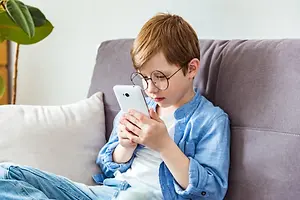
Childhood myopia can progress as the eyes grow. Knowing what causes myopia, what management can accomplish, and when to seek care can help parents make informed choices about their child's long-term vision.
Maybe your child moved closer to the television. Perhaps they're squinting at the classroom board, or another eye exam brought another stronger glasses prescription. These small moments can be signs of myopia, also called nearsightedness, a vision condition that commonly begins during childhood.
For parents searching for "myopia management near me," the goal often goes beyond finding another pair of glasses. You want to know why your child's eyesight keeps changing and what you can do about it.
Tillman Family Eye Care has cared for South Alabama families since 1986. Our eye doctors take a personal, measured approach to childhood myopia management, helping parents understand their child's vision before discussing options that may help slow progression.
What Causes Myopia in Children?
Myopia develops when the eye's shape causes incoming light to focus in front of the retina rather than directly on it. Often, this happens because the eye grows too long from front to back. The result is familiar to many parents: nearby objects remain clear while the classroom board, road signs, and other distant objects look blurry.
Children's eyes continue growing, which helps explain why a prescription can change from one year to the next. Myopia often begins between ages 6 and 14 and may continue progressing into the early adult years.
What Causes Myopia Risk to Increase?
There rarely is one simple explanation for why a child develops myopia. Research points toward a combination of genetics and environmental influences.
Family history matters. Children with one or both parents who have myopia have a greater chance of becoming nearsighted themselves. Time outdoors also appears important, with research finding a lower likelihood of developing myopia among children who spend more time outside.
Current evidence also supports healthy visual habits around near work and screens. Parents can encourage regular breaks during close-up activities and make outdoor time part of the family's routine. These habits support healthy visual routines, while children who already have progressing myopia may need additional clinical management.
What Are the Signs of Childhood Myopia?
Children can adapt remarkably well to blurry vision, so they may have trouble explaining what they see. Parents and teachers may notice the clues first.
Common signs include:
- Squinting when looking across a room
- Sitting closer to the television
- Moving nearer to see the classroom board
- Holding screens or other objects close
- Complaints about blurry distance vision
- Frequent prescription changes
A comprehensive children's eye exam can identify myopia and give your eye doctor a baseline for monitoring how your child's vision changes.
Can Myopia Be Reversed Naturally?
Parents asking "Can myopia be reversed?" often encounter plenty of confident answers online. The medical answer requires more care.
Myopia management focuses on correcting blurry vision and, when appropriate, slowing future progression. Current evidence does not support eye exercises or vision therapy as methods for reversing myopia or slowing its progression.
That distinction matters.
Standard prescription glasses correct the blurry distance vision caused by myopia. A child puts them on and the world across the room snaps back into focus. Myopia management has an additional goal: reducing how quickly nearsightedness progresses as the child's eyes grow.
Parents can support healthy habits with outdoor activity and sensible breaks from prolonged near work. Those habits can sit alongside professional eye care rather than taking its place.
Myopia Management Near Me in South Alabama
A child's prescription tells part of the story. Age, prescription history, eye health, family history, and daily life can help your eye doctor decide what deserves attention next.
Tillman Family Eye Care takes an individualized approach. Our team looks at how your child's vision has changed and discusses myopia management tools when they are likely to provide meaningful benefit.
Stellest® Lenses for Myopia Management
Tillman Family Eye Care offers Stellest® lenses as one option for appropriate children. These lenses look and feel much like regular glasses while using a specialized lens design intended to help slow myopia progression.
That familiarity can appeal to families who want a glasses-based option. Children can wear their prescription eyewear as part of the same daily routine they already know, while the lens design serves a different purpose from ordinary single-vision glasses.
The choice still starts with an eye exam rather than a product. Our eye doctors consider your child's individual vision before recommending a myopia management approach.
Regular Glasses vs. Myopia Management
Regular prescription glasses and myopia management treatments can both provide clear vision, but their goals differ.
Standard glasses correct the child's current refractive error so distant objects appear clear. Myopia management options are selected with the additional aim of slowing progression.
This difference becomes especially relevant when a child's prescription keeps changing. Rather than treating each stronger prescription as an isolated event, your eye doctor can look at the pattern over time.
Childhood Myopia Management FAQs
Why Should Myopia Management Start Early?
Children who develop myopia at younger ages have more years during which their eyes can continue growing and their prescriptions can progress. Earlier assessment gives the eye doctor more time to monitor those changes and discuss management when appropriate.
Can Myopia Be Reversed With Eye Exercises?
Current evidence does not show that eye exercises or vision therapy reverse myopia or slow its progression. Children with myopia still benefit from appropriate vision correction, regular eye exams, healthy visual habits, and clinical myopia management when recommended.
Do Regular Glasses Provide Myopia Management?
Regular single-vision glasses correct blurry distance vision. Myopia management lenses have an additional purpose: helping slow progression. Your child's eye doctor can explain which type of lens fits their current needs.
Does Outdoor Time Help With Childhood Myopia?
Research has associated greater outdoor time with a lower chance of children developing myopia. Pediatric eye care guidance commonly encourages regular outdoor activity as part of healthy visual habits.
Book Myopia Management in Andalusia or Brewton
Growing up comes with plenty of changes. Shoes get bigger, interests shift, and sometimes glasses prescriptions change right alongside them. Watching those prescription changes over time gives your eye doctor a clearer picture of how your child's eyes are developing.
For nearly 40 years, Tillman Family Eye Care has cared for generations of South Alabama families with a personal approach rooted in clear explanations and thoughtful recommendations. Parents looking for myopia management near Andalusia or Brewton can turn to a team that takes the time to understand the child behind the prescription.
Myopia Management in Andalusia & Brewton, AL
If you've noticed squinting, blurry distance vision, or repeated prescription changes, book an eye care appointment with Tillman Family Eye Care. Families near Andalusia can also review our Andalusia location information before their visit. We'll assess your child's vision, discuss whether myopia management fits their needs, and help you make an informed choice about their eye care.