
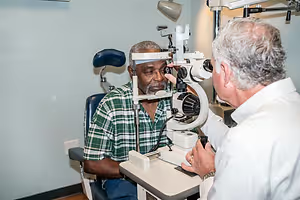
Clear vision can give you confidence that your eyes are healthy. Glaucoma makes that assumption risky. The condition can develop quietly, with few noticeable changes during its early stages. By the time vision loss becomes apparent, optic nerve damage may already be present.
That makes routine screening especially valuable as we grow older. At Tillman Family Eye Care, our eye doctors use detailed testing to look for glaucoma before it begins interfering with daily life. For patients searching for glaucoma screening in Brewton, AL, preventive eye care offers an opportunity to protect the sight you rely on every day.
Why Glaucoma Is the "Silent Thief of Sight"
Glaucoma refers to a group of eye conditions that damage the optic nerve, which carries visual information from the eye to the brain. Increased pressure inside the eye often contributes to this damage, although glaucoma can also occur when eye pressure falls within a range typically considered normal.
The condition earned its well-known nickname, the "silent thief of sight," because early glaucoma can progress without obvious warning signs. Vision loss often begins gradually in peripheral, or side, vision. Your brain can adapt to small changes, making them surprisingly easy to miss during daily routines.
A person may still read, watch television, drive, work, or enjoy time with family while glaucoma quietly affects the optic nerve. That is why waiting for symptoms can allow valuable time to slip away.
Glaucoma-related vision loss is permanent. Early identification, however, gives our eye doctors more opportunity to monitor changes and recommend care that can slow the condition's progression. Tillman Family Eye Care provides glaucoma management supported by advanced diagnostic testing and long-term monitoring.
What to Expect During a Glaucoma Screening
A glaucoma screening involves much more than a single eye pressure reading. Pressure provides useful information, but our eye doctors also look at the optic nerve, peripheral vision, cornea, retina, and other findings that can reveal early changes.
For many patients, glaucoma screening begins with a comprehensive eye exam. Based on your eye health, medical history, risk factors, and previous findings, our team may recommend additional diagnostic testing.
Eye Pressure Testing
Measuring intraocular pressure, or pressure inside the eye, helps our eye doctors identify one important glaucoma risk factor. Higher pressure can add stress to the optic nerve.
A healthy pressure reading alone cannot rule out glaucoma. Some people develop optic nerve damage even when their pressure readings fall within a typical range, which is one reason a complete evaluation matters.
OCT Imaging
Optical coherence tomography, commonly called OCT, creates detailed images of structures inside the eye. At Tillman Family Eye Care, OCT imaging can help our team measure and monitor the optic nerve for structural changes associated with glaucoma.
These measurements also give our eye doctors a baseline. Future results can then be compared with earlier scans to reveal changes that may be difficult to recognize from symptoms alone.
Visual Field Testing
Glaucoma frequently affects peripheral vision first. Humphrey visual field testing maps what you can see across different areas of your visual field, helping our eye doctors identify subtle areas of vision loss.
Repeated testing can also help track whether those areas remain stable or change over time.
Advanced Retinal Testing
Our glaucoma evaluations may also draw on Optos California widefield retinal imaging and ERG testing when appropriate. These technologies provide more information about structures and function inside the eye, helping our team build a fuller picture of ocular health.
Corneal thickness measurements and topography can provide further context when assessing glaucoma risk and interpreting eye pressure readings. Together, these tools allow our eye doctors to look beyond a single number and assess the eye from several angles.
How Early Identification Protects Long-Term Vision
Glaucoma screening gives our eye doctors a chance to identify concerning changes while useful vision remains. Early diagnosis can also create a baseline for future exams, allowing small changes in eye pressure, the optic nerve, or visual field to become easier to track over time.
This matters because glaucoma care focuses on preserving the vision you have. When testing points to glaucoma, our eye doctors can build a management plan around your condition, risk factors, and test results. Regular follow-up then helps the team see how your eyes respond and whether your care plan needs to change.
Who Has a Higher Risk of Glaucoma?
Glaucoma can affect people from many backgrounds, and some patients carry a greater risk as they age or because of their medical or family history. Regular exams become particularly valuable when your eye doctor identifies factors associated with glaucoma.
Your personal screening schedule may depend on factors such as:
- Your age
- A family history of glaucoma
- Previous eye pressure readings
- Changes to the optic nerve
- Certain medical conditions
- Previous eye injuries or procedures
- Findings from earlier comprehensive eye exams
Rather than waiting for a change in sight, routine exams give our eye doctors a chance to assess these factors alongside what they see during testing.
Long-Term Monitoring Matters
A single test captures your eye health at one point in time. Glaucoma management often relies on comparing results across future visits.
Changes in an OCT scan, visual field test, eye pressure reading, or optic nerve appearance can tell our eye doctors more when earlier results are available for comparison. This ongoing record helps guide decisions about monitoring and treatment.
Patients who need continued medical care can access medical eye care through Tillman Family Eye Care, allowing routine vision needs and chronic eye conditions to remain connected within the same practice.
Protect Your Sight With Eye Care Close to Home
Healthy vision supports the moments that make up everyday life, from driving familiar South Alabama roads to reading, working, and spending time with family. Glaucoma screening can help protect those routines by finding changes that clear vision alone may never reveal.
Tillman Family Eye Care has cared for South Alabama families for nearly 40 years, with eye care available in Andalusia and Brewton. Patients looking for glaucoma screening in Brewton, AL can visit our Brewton eye care location for convenient access to our team. Schedule an eye exam and give our eye doctors the chance to protect your sight before glaucoma quietly changes it.